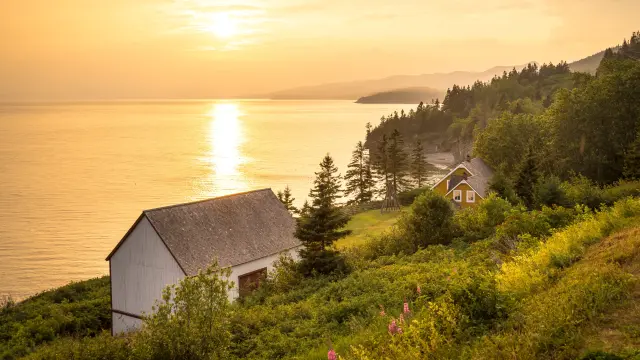
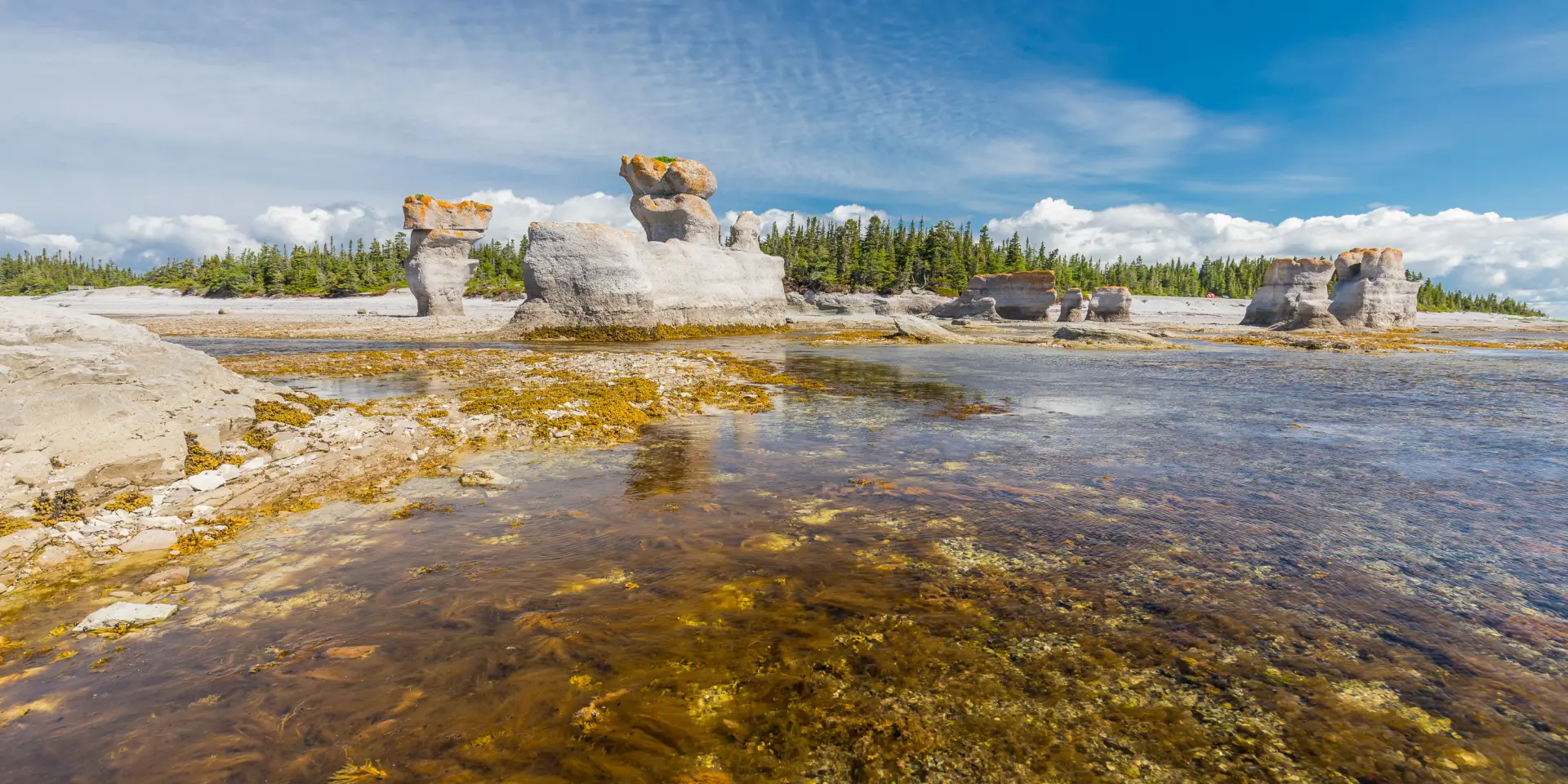
Landscapes of monoliths within the Mingan Archipelago National Park Reserve on the Côte-Nord region
©

Mingan Archipelago National Park Reserve, Côte-Nord

|

Mathieu Dupuis

The National Park Route in Eastern Québec

12 days | 2020 km (1255 mi.) + 2 h 20 by ferry Tadoussac to Saint-Michel-de-Squatec

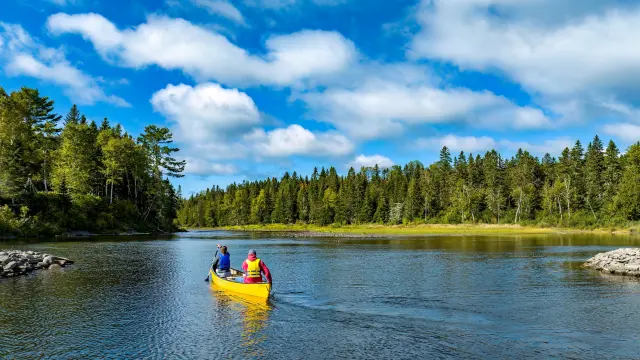
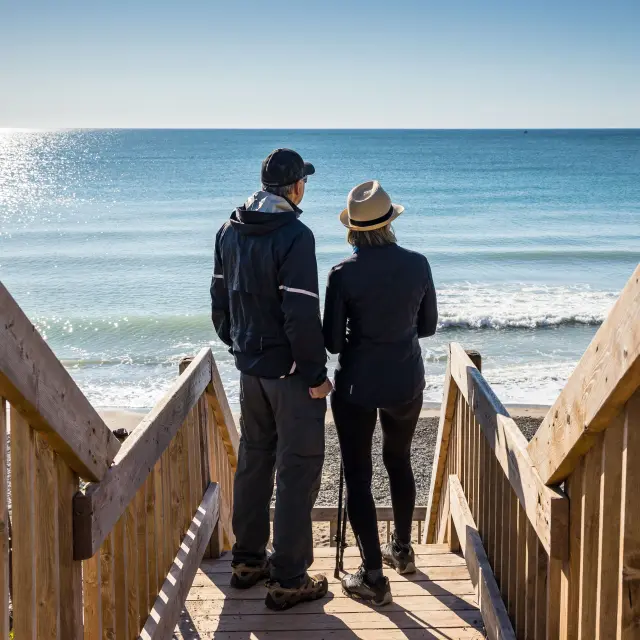
Located in the mountains, in forests and by the sea, the national parks of Eastern Québec can be discovered while enjoying a multitude of activities on your own or with a guide. There is something for everyone: hiking, biking, sea kayaking, canoeing, sea excursions, whale watching, wildlife observation, fascinating interpretation sites and more!

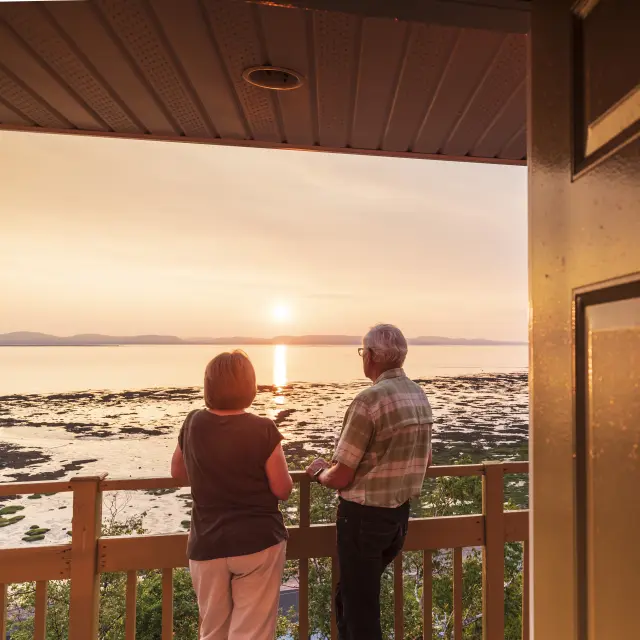
Most of our national parks also offer various accommodation options: campgrounds, glamping units, cabins and huts. In one park, you can even stay in an upscale hotel. In all of them, you will find high-quality services and facilities, which ensures you will enjoy a pleasant stay.

The 12-day National Park Route itinerary will allow you to discover all our national parks. Keep in mind, however, that they all offer so many things to do and see that nature lovers are bound to want to spend more time at each location. Visit them and see for yourself!

Plan interactif : 8 lieux répertoriés.

  • Lieu sans nom
  • Lieu sans nom
  • Lieu sans nom
  • Lieu sans nom
  • Lieu sans nom
  • Lieu sans nom
  • Lieu sans nom
  • Lieu sans nom

Plan interactif : 9 lieux répertoriés.

  • Tadoussac
  • Tadoussac to Havre-Saint-Pierre
  • Havre-Saint-Pierre to Sainte-Anne-des-Monts
  • Sainte-Anne-des-Monts
  • Sainte-Anne-des-Monts to Gaspé
  • Gaspé to Percé
  • Percé to Nouvelle
  • Nouvelle to Rimouski
  • Rimouski to Saint-Michel-de-Squatec

Days 1-2 Tadoussac

Parc national du Fjord-du-Saguenay
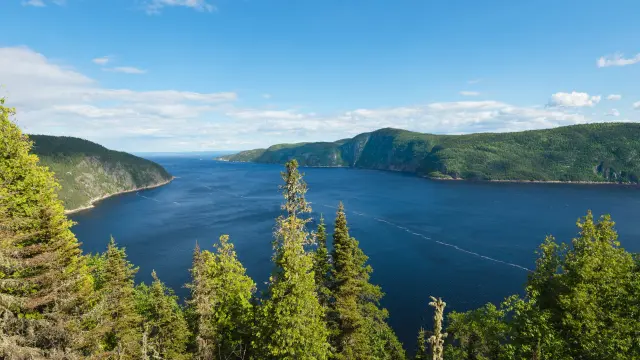
Parc national du Fjord-du-Saguenay was shaped by the retreating glaciers, as evidenced by the sheer cliffs of the Saguenay Fjord, which is bordered by rugged mountains and dense forest. The best way to fully appreciate this landscape marked by time is to explore the park’s trails on foot or by bike or paddle a sea kayak on the Saguenay River. The park is also home to a variety of wildlife species, including many birds, such as the peregrine falcon, the park’s animal emblem, as well as beluga whales. To see these cetaceans, head to the Halte du Béluga lookout where naturalist guides will be happy to tell you all about these whales and their conservation. You can prolong your experience by camping or glamping in the park.

Saguenay–St. Lawrence Marine Park
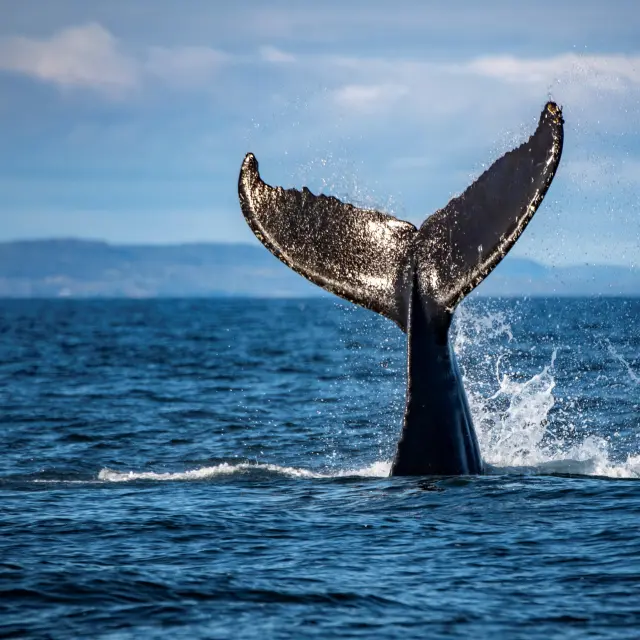
The Saguenay–St. Lawrence Marine Park is a unique 1245-km2 (480 sq.-mi.) marine protected area. Several sea excursions are offered in the marine park, during which you may encounter some of the 13 species of cetaceans that frequent the waters of the St. Lawrence, including humpbacks, fin whales and minke whales. In some places, you can also observe these giants of the sea directly from the shore. Be sure to visit the interpretation and observation sites that are part of the Saguenay–St. Lawrence Discovery Network, such as the Cap-de-Bon-Désir Interpretation and Observation Centre in Les Bergeronnes and the Marine Environment Discovery Centre in Les Escoumins.

Days 3-4 Tadoussac to Havre-Saint-Pierre 645 km (400 mi.)

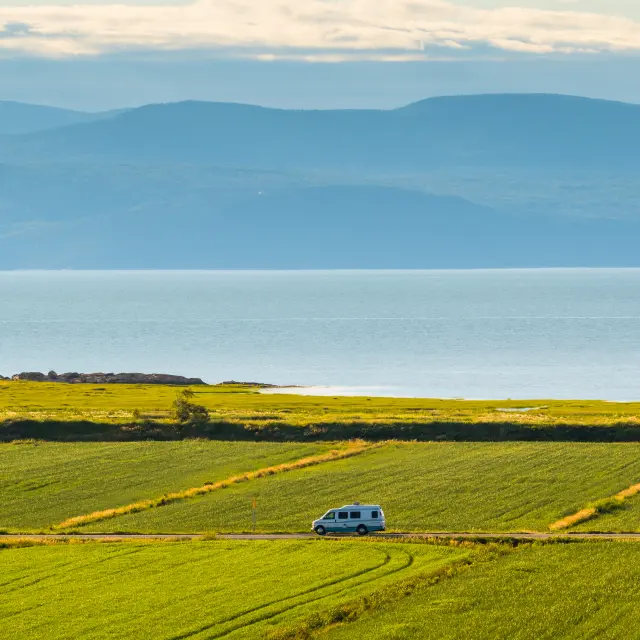
If you have time and want to drive shorter distances per day, add a few of the stops suggested along the Whale Route to your itinerary. In any case, the drive to Longue-Pointe-de-Mingan or Havre-Saint-Pierre is well worth it: the scenery in this area is unique and truly awe-inspiring!


Mingan Archipelago National Park Reserve
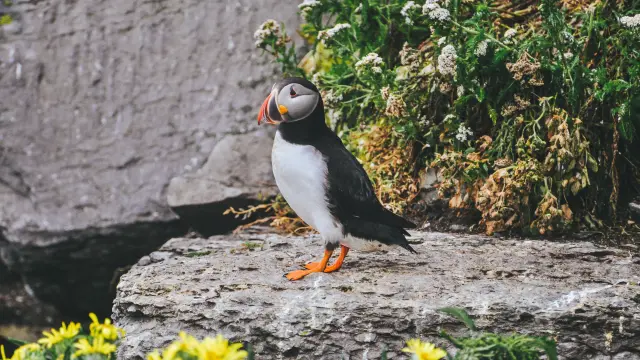
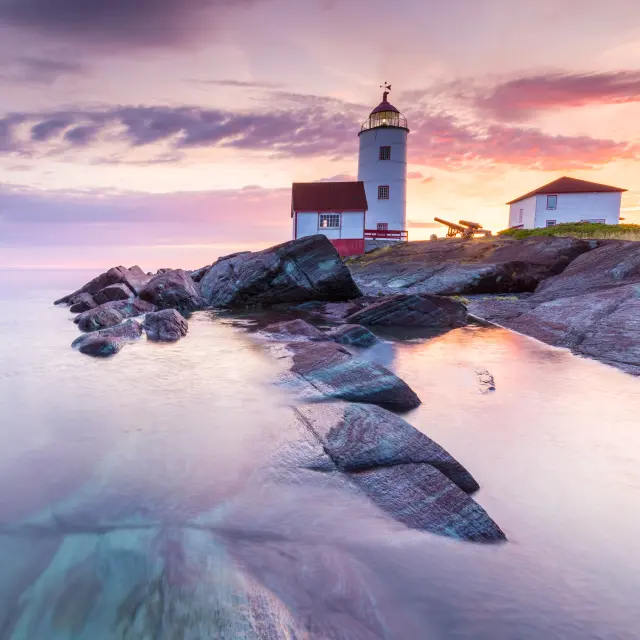
The Mingan Archipelago National Park Reserve is an exceptional natural area made up of about 20 limestone islands as well as over a thousand granitic islets and reefs sculpted by the sea. It is also home to the highest concentration of erosion monoliths in Canada! Go for a hike on Niapiskau Island or Nue de Mingan Island to observe a rich variety of wildlife, including the famous Atlantic puffins (nicknamed sea parrots because of their colourful beaks). Park wardens will be happy to share information about the park reserve’s many natural and cultural features, including local plants, wildlife, geology, history and lighthouses. You can also explore the waters surrounding the archipelago in a sea kayak or during a sea excursion. For a unique experience, spend the night on one of the islands in an oTENTik or Ôasis glamping unit.


Side trip

Parc national d’Anticosti
Accessible by boat from Sept-Îles or Rimouski or by plane from several locations in Québec, Anticosti Island has a population of about 200 people and 115,000 white-tailed deer. This means your likelihood of seeing deer during a hike to Vauréal Falls or Baie-Sainte-Claire is very high! Let yourself be charmed by the white cliffs, steep canyons and sea caves of this wild island now recognized as a UNESCO World Heritage Site. You can camp in the park or stay in a lodge or cabin. Packages including flights and accommodations are also available.

Day 5 Havre-Saint-Pierre to Sainte-Anne-des-Monts 530 km (330 mi.) + 2 h 20 by ferry

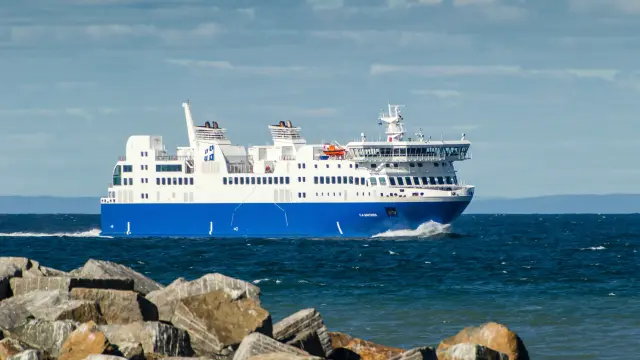
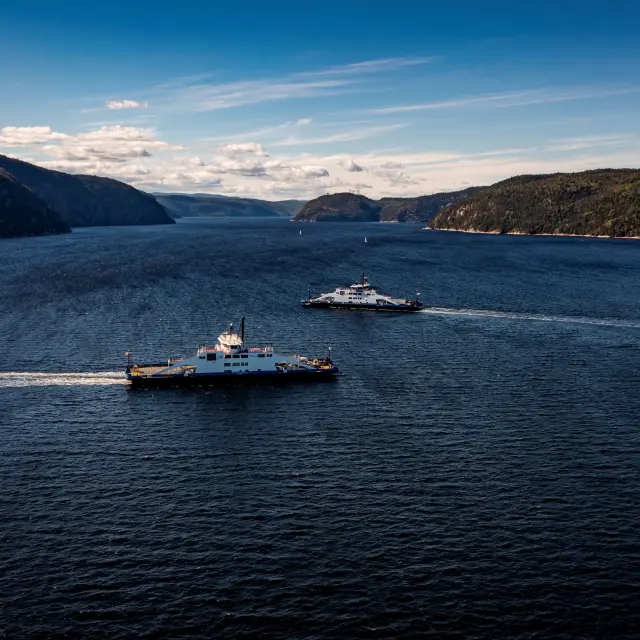
The nearly 2.5-hour ferry ride across the St. Lawrence aboard the F.-A.-Gauthier from Baie-Comeau or Godbout to Matane will give you the opportunity to admire the surrounding scenery as well as marine mammals. Enjoy the onboard amenities, which include panoramic lounges, dining options and a bar service, before starting your drive east along the south shore of the estuary.

Day 6 Sainte-Anne-des-Monts

Parc national de la Gaspésie
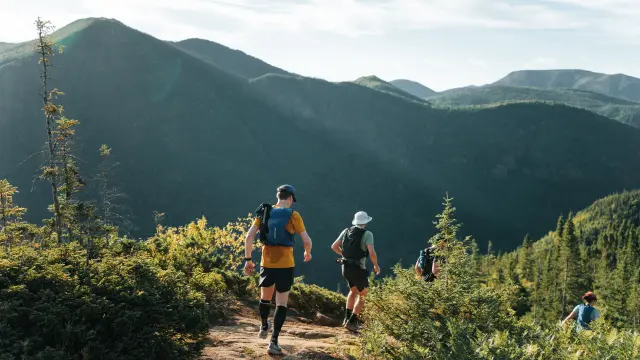
A popular destination for fans of short hikes as well as long treks in the mountains, Parc national de la Gaspésie is home to 25 peaks over 1000 metres (3300 feet) high in the Chic-Choc andMcGerrigle mountain ranges, which are some of the highest in Québec. This “sea of mountains” protects a large moose population as well as the only herd of caribou found south of the St. Lawrence, an endangered population that lives in the forest and alpine tundra. You can hike Mt. Jacques-Cartier and Mt. Albert via Lake Cascapédia, where you can go canoeing, kayaking or stand-up paddleboarding (SUP). The park also offers many lodging options, including the renowned Gîte du Mont-Albert, a comfortable hotel overlooking the surrounding mountains.

Day 7 Sainte-Anne-des-Monts to Gaspé 240 km (150 mi.)

Forillon National Park
Bordered by the Gulf of St. Lawrence and Gaspé Bay, Forillon National Park is located at the tip of the Gaspé Peninsula in an area known as “Land’s End.” This spectacular park protects a wide variety of plant species in the boreal forest and is also home to thousands of seabirds that inhabit the Forillon cliffs. Don’t forget your binoculars so you can observe them while you hike in the park. Whether from the shore or during a sea excursion in a kayak or sightseeing boat, you will also have opportunities to observe the seal colonies and whales that inhabit this area, a sight you will never forget! Be sure to also visit the Grande-Grave sector to learn more about the history of Forillon at the turn of the 20th century. If you want to spend the night, you can either camp or stay in an oTENTik tent or Ôasis unit, both of which provide a glamping experience.

Day 8 Gaspé to Percé 75 km (45 mi.)

Parc national de l’Île-Bonaventure-et-du-Rocher-Percé
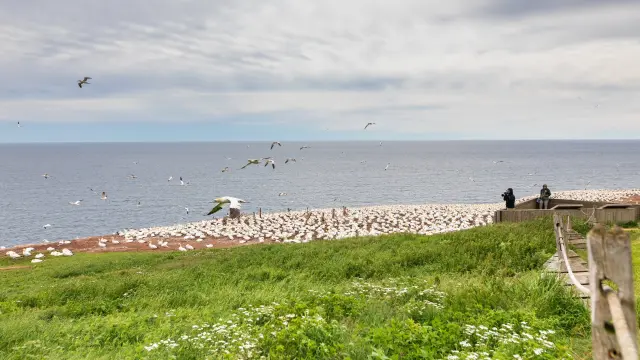
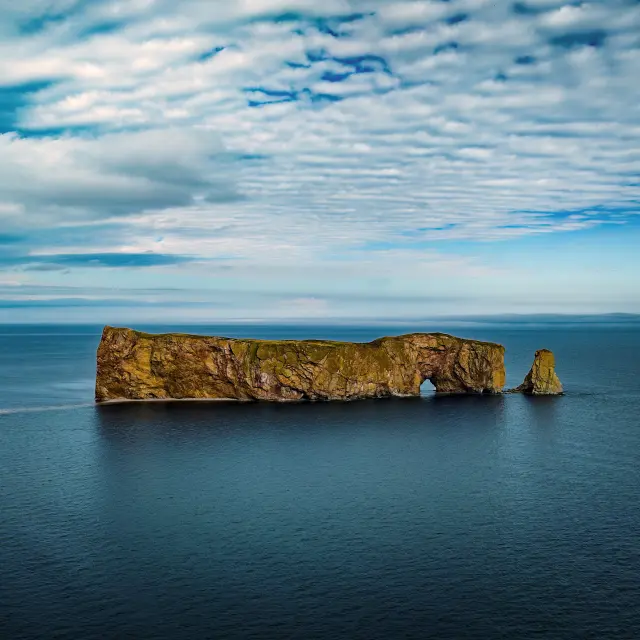
Located in Percé, Parc national de l’Île-Bonaventure-et-du-Rocher-Percé has a rich natural and historic heritage. Go on a sea excursion around legendary Percé Rock, the region’s most iconic natural landmark, which has been sculpted by the sea over time, and then discover the cliffs of Bonaventure Island, which resemble those of Scotland or Ireland. The island is also home to over 200,000 migratory birds of 11 different species. Hike along one of the island’s 4 trails to the most accessible northern gannet colony in the world – bird lovers will be in heaven! You can also discover the island’s built heritage, which reflects the importance of fishing in the 18th and 19th centuries. Don’t miss the evening shows on the mainland that present the park’s attractions (in French only). Inquire about the schedule once you arrive.

Day 9 Percé to Nouvelle 210 km (130 mi.)

Parc national de Miguasha
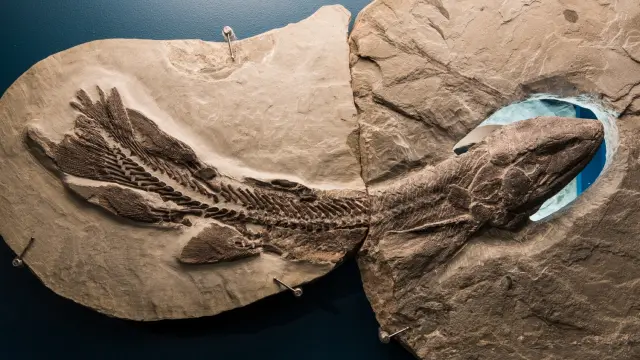
Included on the UNESCO World Heritage List for its unusually well-preserved fossils, Parc national de Miguasha invites you on an incredible journey back in time some 380 million years! While the “Evolution of Life” trail will tell you more about the wonders of this site as you make your way to the fossil cliff, the From Water to Land permanent exhibition will allow you discover some of the specimens that have made Miguasha famous. Be sure to admire the only complete specimen of Elpistostege watsoni ever found in the world! On display since 2014, this fossil represents the transition of vertebrates from water to land – and is affectionately known as Elpi!

Days 10-11 Nouvelle to Rimouski 235 km (145 mi.)

Parc national du Bic
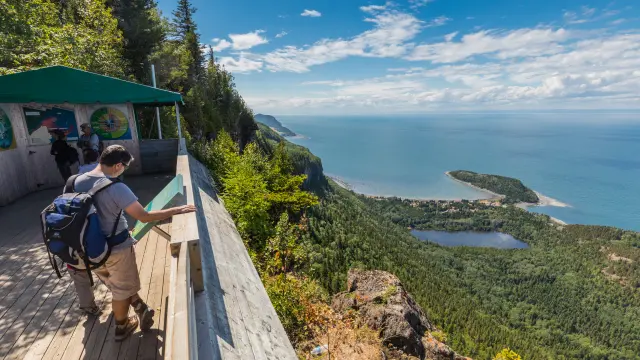
Let yourself be charmed by the variety of landscapes in Parc national du Bic, from capes and bays to islands and mountains. Discover them during a sea kayaking excursion or by exploring the park’s 25 km (15 mi.) of hiking trails or 15 km (9 mi.) of bike trails. From the top of Pic Champlain, the view of the sea bordered by cliffs, islands and mountains will make the 6-km (4-mi.) climb worth it! On your own or with a guide, observe plants and wildlife typical of this area, including seals and migratory birds. Marked by the presence of the Mi’gmaq, this national park also invites you to discover the area’s natural and cultural history through various activities. You can stay in the park at a campsite or in a glamping unit, cabin or yurt.

Day 12 Rimouski to Saint-Michel-de-Squatec 85 km (55 mi.)

Parc national du Lac-Témiscouata
Protecting natural environments that are representative of the Notre-Dame Mountains, Parc national du Lac-Témiscouata invites you to explore a territory of lakes and forests where the deciduous trees burst into colour in the fall. Discover Lake Témiscouata, which is nearly 40 km (25 mi.) long, as well as the surrounding area by hiking on any of the park’s 10 trails or by going biking, canoeing or kayaking. During a guided wildlife activity, you may be lucky enough to spot bald eagles (the park’s animal emblem), white-tailed deer or other wildlife species that inhabit the park. To learn about the connections between this territory and the humans that have occupied it (from First Nations peoples to lumberjacks and log drivers), visit the Garden of Memories. The park also has 62 archeological sites, where you can participate in digs or enjoy a role-playing game. In the evening, you can admire the sunset from a rabaska (a large canoe of Algonquian origin) on Lake Touladi and then listen to stories and legends about this area’s rich past before spending the night at a campsite or in a glamping unit. You can also enjoy a canoe-camping trip in the park.