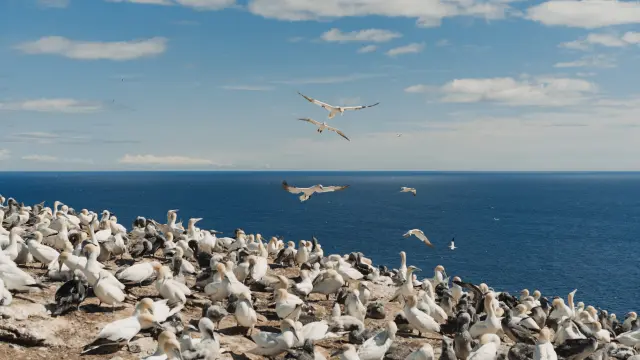
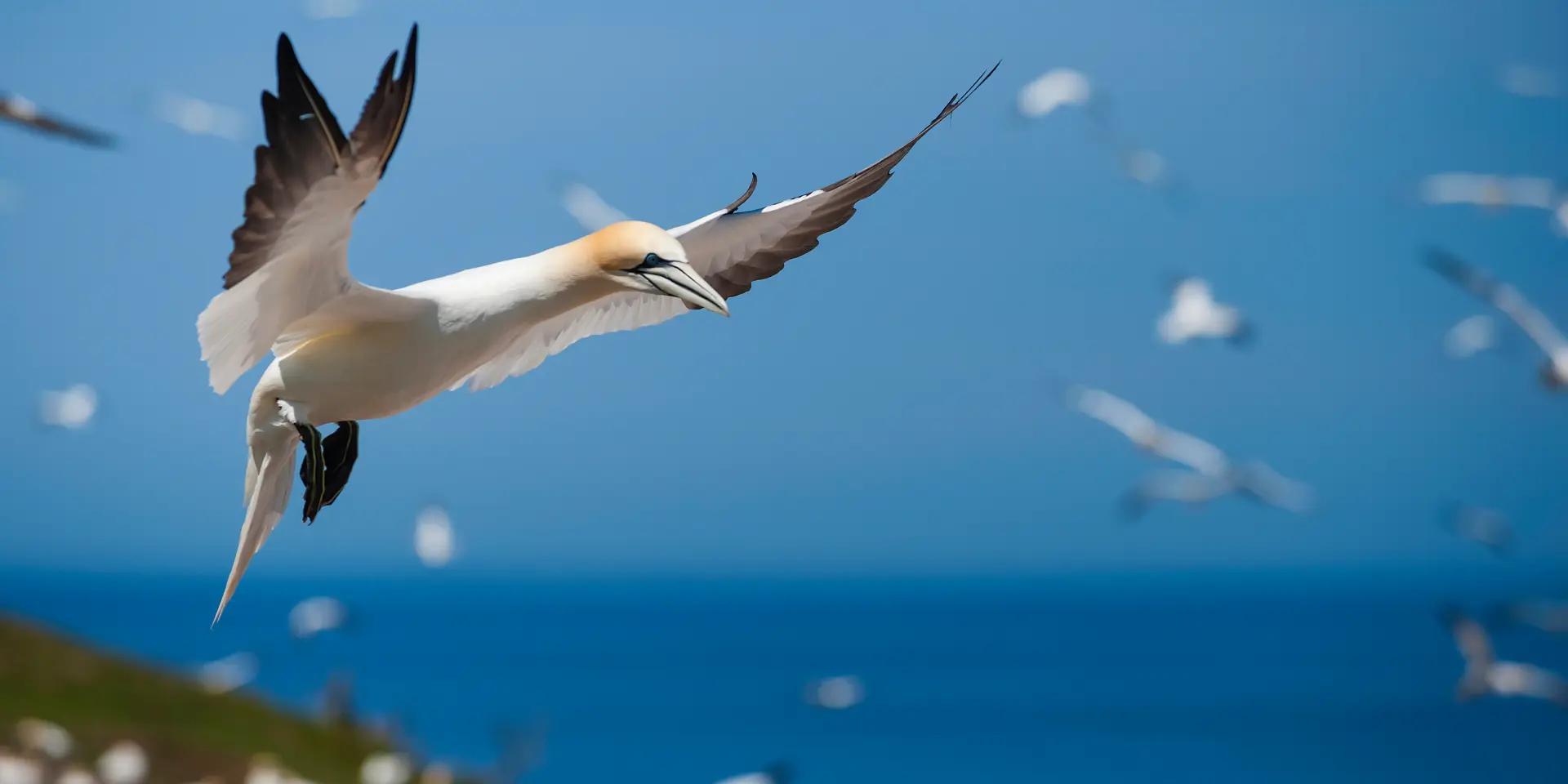
A northern gannet in flight in parc national de l'Île-Bonaventure-et-du-Rocher-Percé in Gaspésie
©

Parc national de l'Île-Bonaventure-et-du-Rocher-Percé, Gaspésie

|

Steve Deschênes/Tourisme Gaspésie

Bird-Watching Itinerary in Gaspésie

6 days | 480 km (300 mi.)  Sainte-Anne-des-Monts to New Richmond

Gaspésie is home to a wide variety of bird species and a multitude of ecosystems throughout the entire region. Whether you are by the sea, in the forest, on an island or in the mountains, you will have plenty of opportunities to admire birdlife during your vacation in this region.

This itinerary will take you to some of the region’s birding hotspots. Of course, there are many other bird-watching sites in Gaspésie, so if you would like to extend your birding adventure, we invite you to consult other resources dedicated to birds in Gaspésie or in the province of Québec as a whole.

Featured species 
Northern gannets are considered to be one of the most impressive seabirds. Bonaventure Island is home to about 110,000 of these birds in the most accessible and second-largest colony in the world!

Plan interactif : 6 lieux répertoriés.

  • Lieu sans nom
  • Lieu sans nom
  • Lieu sans nom
  • Lieu sans nom
  • Lieu sans nom
  • Lieu sans nom

Plan interactif : 6 lieux répertoriés.

  • Sainte-Anne-des-Monts
  • Sainte-Anne-des-Monts to Grande-Vallée
  • Grande-Vallée to Gaspé
  • Gaspé to Percé
  • Percé to Paspébiac
  • Paspébiac to New Richmond

Day 1 Sainte-Anne-des-Monts

Located in the heart of the Gaspé Peninsula, the high mountains of the Appalachians are home to over 150 bird species. Because of the very different climates found in the valleys and on the peaks in this area, species that usually live far apart coexist here.

To maximize your chances of spotting birds, we encourage you to book your stay in one of the following places:

Parc national de la Gaspésie 
Accessible via Route 299 from Sainte-Anne-des-Monts (or New Richmond), Parc national de la Gaspésie is located in the region’s interior. As you hike the park’s many trails, you may spot white-throated sparrows and horned larks as well as harlequin ducks, Bicknell’s thrushes and golden eagles. Some trails will also give you the opportunity to observe black-backed woodpeckers and American three-toed woodpeckers.

Auberge de montagne des Chic-Chocs 
From Sainte-Anne-des-Monts, you can also venture into the heart of a 60-km2 (23-sq.-mi.) wilderness area where you will find a mountain lodge unlike any other in Canada. During your stay, you will have access to over 100 km (60 mi.) of trails that will give you opportunities to observe numerous bird species, including golden eagles, pileated woodpeckers, ruffed grouse, spruce grouse, osprey and bald eagles.

Day 2 Sainte-Anne-des-Monts to Grande-Vallée 115 km (70 mi.)

Area between Rivière-à-Claude and Gros-Morne 
In this coastal area in the La Haute-Gaspésie sector, you will find several roadside rest areas that are prime bird-watching sites. Black scoters, surf scoters, velvet scoters, red-breasted mergansers and common goldeneyes are regularly sighted here, especially during migration periods. The coves in this area are occasionally frequented by long-legged wading birds rarely seen in Gaspésie. Finally, you are sure to see black guillemots, particularly from May to July when they nest on the cape in Gros-Morne.

Day 3 Grande-Vallée to Gaspé 125 km (80 mi.)

Forillon National Park
Located at the eastern tip of the Gaspé Peninsula, the towering rocky cliffs in Forillon National Park provide nesting sites for many seabirds, including black-legged kittiwakes. Every year, thousands of these birds, which are small gulls, flock to the cliffs of Cap Bon-Ami. By hiking the trails in the park, you may also spot numerous aquatic and forest birds.

Day 4 Gaspé to Percé 75 km (45 mi.)

Malbaie Barachois 
Located between Gaspé and Percé, the Malbaie Barachois is home to over 200 bird species in an area of about 11 km2 (4 sq. mi.). In the spring, brants and Canada geese can be sighted here along with various duck species and nesting American bitterns. In the summer, you can spot several species of shorebirds as well as great blue herons. The barachois is also a nesting site for yellow rails, a threatened species in Québec, and Nelson’s sparrows, a species likely to be designated as threatened or vulnerable.

Parc national de l’Île-Bonaventure-et-du-Rocher-Percé 
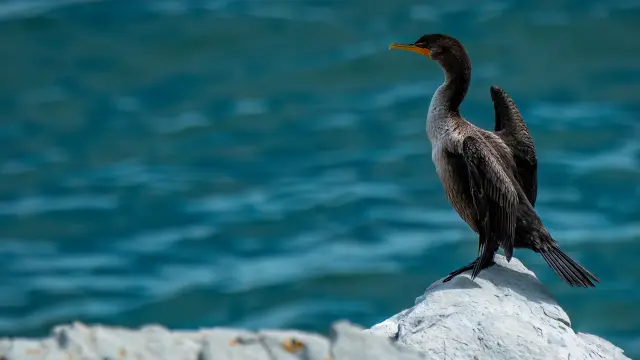
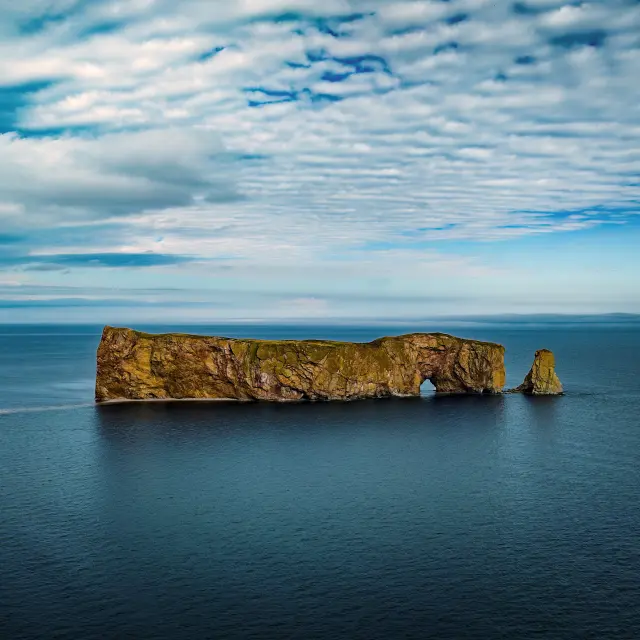
Bonaventure Island is accessible by boat from Percé. The park’s most famous residents are the impressive northern gannets, which can be observed from April to October in the most accessible colony in the world! Any of the island’s 4 trails will take you to the nesting site of these 110,000 birds. Another interesting species, Atlantic puffins, can be observed during a boat excursion around the island. Several bonded pairs raise their young in the cracks in the cliffs. In addition, common murres and razorbills can be seen flying around the island. Harlequin ducks are also present, as are great cormorants, which nest on Percé Rock.

Day 5 Percé to Paspébiac 110 km (70 mi.)

Grand Pabos Bay 
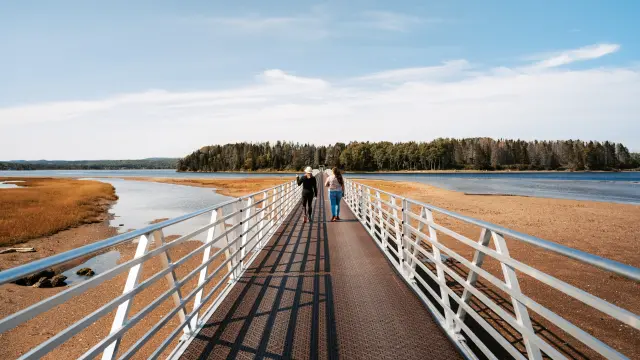
The Chandler area is worth a visit. Grand Pabos Bay, which is crossed by a long dyke, as well as the small nearby lake and the footbridge over the river all offer opportunities to observe a number of aquatic bird species, including small colonies of great blue herons and black-crowned night herons as well as dabbling ducks, soras and shorebirds in season. You can also see several forest species here. West of the bay, the Zec des Anses, a controlled harvesting zone dotted with lakes, is also frequented by many forest birds.

Port-Daniel Bay 
Port-Daniel is located halfway between Chandler and Paspébiac. Large numbers of gulls and terns gather along the bay’s shoreline near Route 132 almost year-round. A few rare bird species can be sighted here in the spring and fall, including black-headed gulls and little gulls. The best viewpoint is right across from the train station. In addition, be sure to follow Route de la Pointe out towards the lighthouse on the point to see harlequin ducks!

Day 6 Paspébiac to New Richmond  55 km (35 mi.)

Marshes in Paspébiac and Saint-Siméon-de-Bonaventure 
Located near Route 132, these two marshes are considered the best places in the region to observe shorebirds. The best time of year to do so is from mid-July to late September. Hudsonian godwits have occasionally been sighted here.