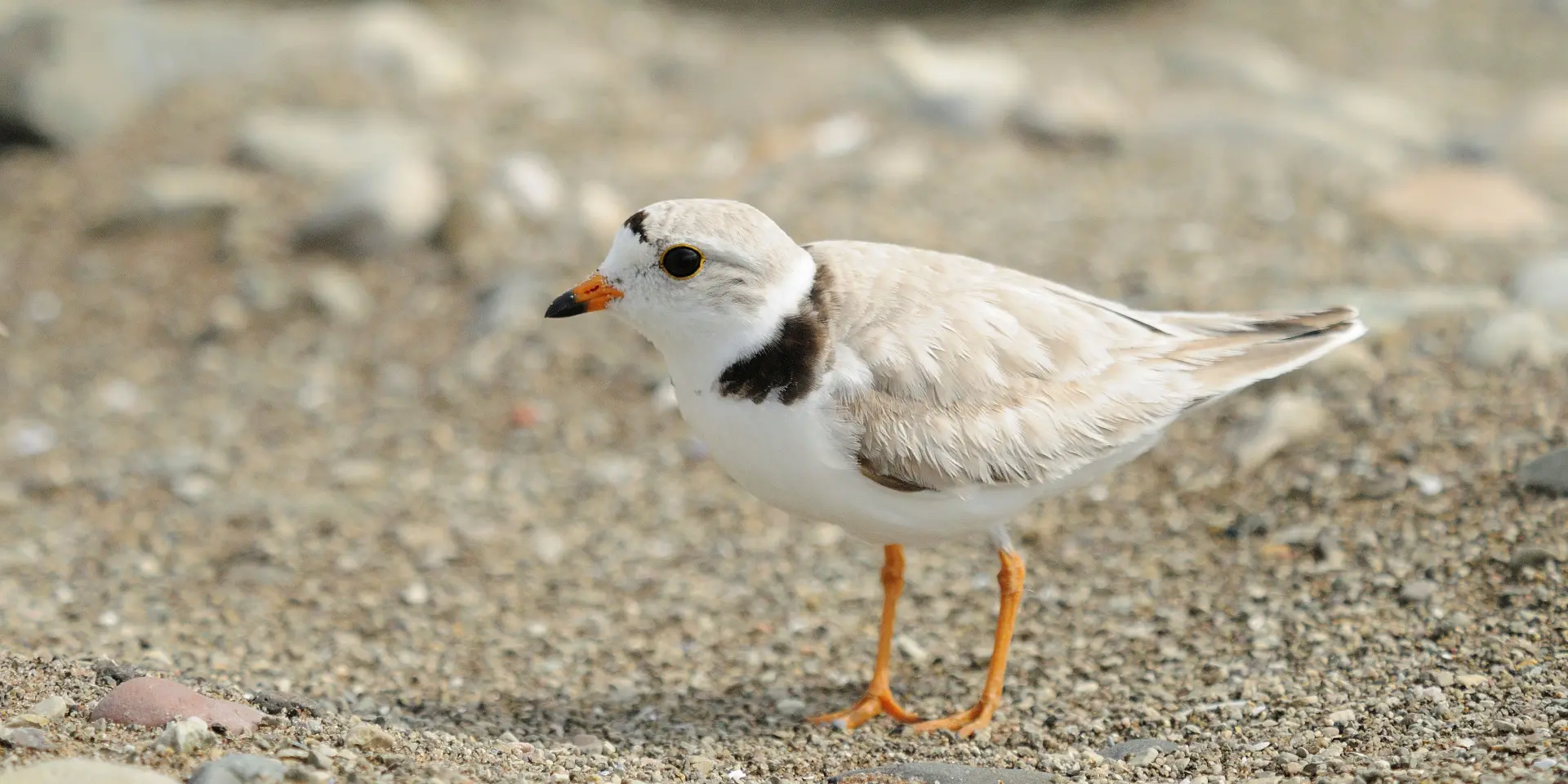
Sighting of a Whistling Plover on a beach in the Îles de la Madeleine
©

Îles de la Madeleine

|

Alain Richard

Bird Watching Itinerary in the Îles de la Madeleine

4 days Îles de la Madeleine

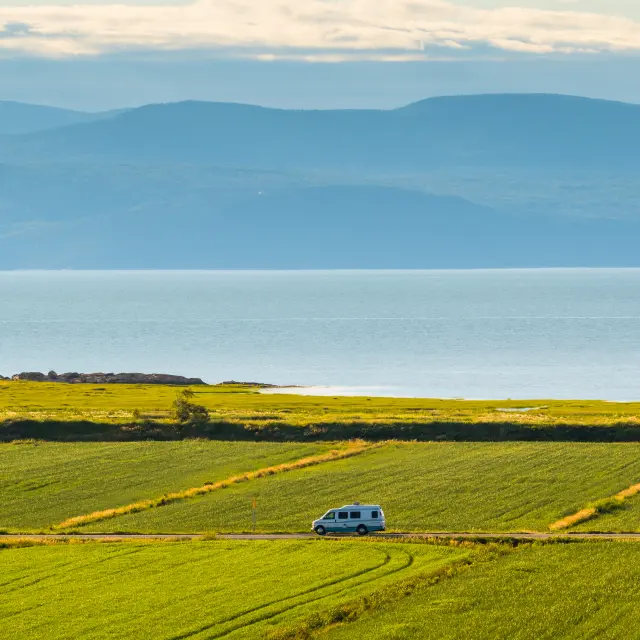
Home to a variety of natural environments, including cliffs, beaches, dunes and ponds, the Îles de la Madeleine provide ideal habitat for birdlife. In fact, about 300 species of birds have been recorded in the region, much to the delight of bird watchers!

This itinerary will take you to many of the archipelago’s birding hotspots. Don’t forget to pack your binoculars!

Featured species
Piping plovers are a globally threatened species. In Québec, they nest exclusively on the beaches surrounding the Îles de la Madeleine and can be observed from late April to mid-August.

Plan interactif : 4 lieux répertoriés.

  • Lieu sans nom
  • Lieu sans nom
  • Lieu sans nom
  • Lieu sans nom

Plan interactif : 4 lieux répertoriés.

  • Grosse Île Island
  • Pointe aux Loups Island and Cap aux Meules Island
  • Entry Island
  • Havre Aubert Island

Day 1 Grosse Île Island

Pointe-de-l’Est National Wildlife Area
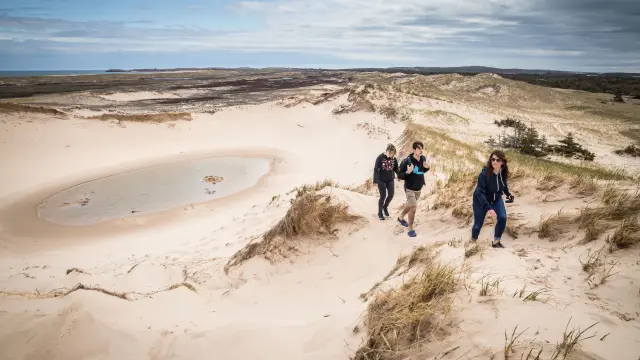
Covering 684 hectares (1690 acres), this wildlife area protects many of the archipelago’s typical natural features, including dunes, ponds, marshes and a forest of stunted trees. It is an ideal habitat for many species of birds, such as horned grebes, black-headed gulls, American bitterns, fox sparrows and black guillemots, as well as being an importantspring staging area. To observe birds here, follow one of the two nature interpretation trails, which you can explore on your own or with a guide. The trailheads are located along Route 199, between the town of Grosse-Île and the hamlet of Old Harry.

Day 2 Pointe aux Loups Island and Cap aux Meules Island

Dunes between Pointe-aux-Loups and Grosse-Île
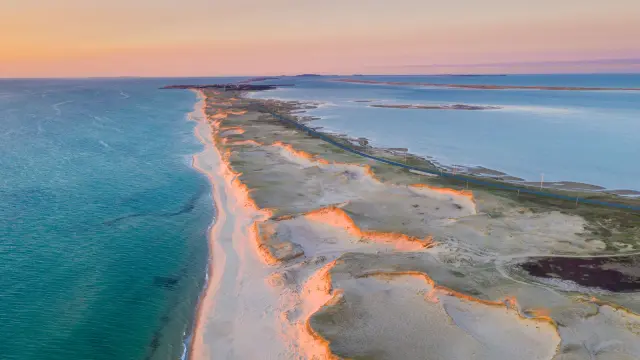
During the migration period, drive along Route 199 at low tide between Pointe-aux-Loups and Grosse-Île. Thousands of sandpipers, yellowlegs and plovers come to feed in this area. On the water, you may be able to observe double-crested cormorants, great black-backed gulls and herring gulls. Keep your eyes peeled and you may even spot a snowy owl or rough-legged hawk on the dunes or even on a utility pole!

Étang à Ben
In the village of L’Étang-du-Nord, Chemin du Rivage runs alongside Étang à Ben (Ben’s Pond), which attracts a large number of birds. Many species are regularly sighted here, including great blue herons, pied-billed grebes, belted kingfishers, bank swallows, short-eared owls and various waterfowl. This site is also a spring staging area for brants.

Parc de Gros-Cap
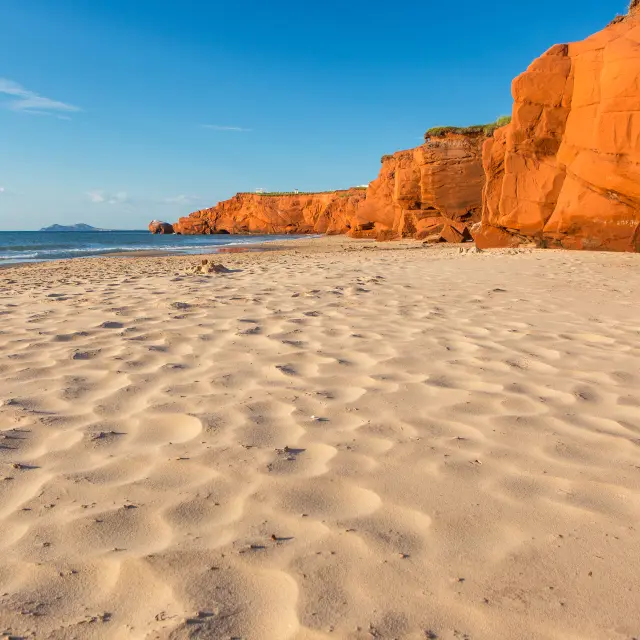
Located on a peninsula and accessible via Chemin du Camping, this park offers trails along red sandstone cliffs where you can observe several bird species, including belted kingfishers, bank swallows, black guillemots, common terns, Bonaparte’s gulls, greater yellowlegs, semipalmated plovers and whimbrels.

Day 3 Entry Island

The only inhabited island in the archipelago not linked to the others by sand dunes, Entry Island is accessible by taking the Ivan-Quinn ferry or a private excursion boat from Cap-aux-Meules. To observe birds on the island, follow the Ivan Quinn trail to the top of Big Hill, the archipelago’s highest point, and then on to the community pasture. While on the island, you will mostly spot seabirds, such as black-legged kittiwakes, great cormorants, double-crested cormorants, razorbills and black guillemots.

Day 4 Havre Aubert Island

Havre-aux-Basques lagoon
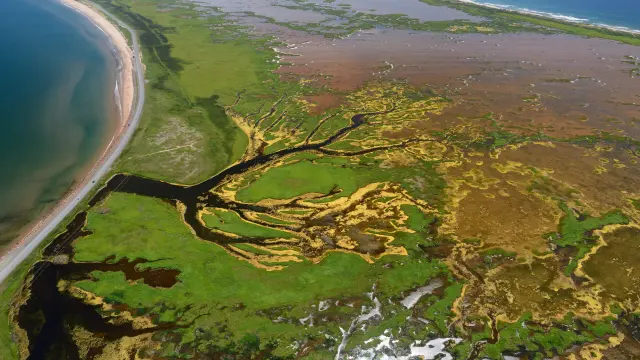
When Route 199 was built, the water level dropped significantly between the islands of Cap aux Meules and Havre Aubert, creating small islets that are now used by waterfowl as nesting sites. Colonies of black-headed gulls and Bonaparte’s gulls also nest here, as do piping plovers, an endangered species. During migration periods, shorebirds take advantage of the lower water level to seek food on the mudflats.

Pointe des Canots and Dune de l’Ouest
Both of these bird-watching sites can be reached by following Chemin du Bassin and Chemin de la Montagne on Havre Aubert Island. Two unpaved roads (Chemin de la Pointe-des-Canots and Chemin de la Dune-de-l’Ouest) will then lead you to each site. Pointe des Canots is a good place to see forest birds, shorebirds and waterfowl. It is not uncommon to spot mergansers here, as well as rough-legged hawks. The pond at Dune de l’Ouest is frequented by common loons and pied-billed grebes, while the grasslands surrounding it serve as habitat for short-eared owls and Nelson’s sparrows.

For more information about bird watching on the Islands, visit Tourisme Îles de la Madeleine.