©

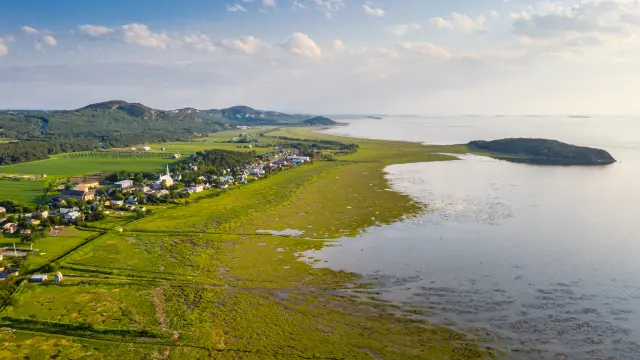
Parc national de la Gaspésie, Gaspésie

|

Éric Deschamps

The Wildlife Observation Route in Eastern Québec

17 days - 2560 km (1590 mi.) + 2 h 20 by ferry From La Pocatière to Tadoussac

Are you looking for the best places to observe wildlife in Eastern Québec? Our regions are home to many great wildlife-watching destinations, including national and regional parks, beaches and various other natural sites open to the public. Even our roadside rest areas offer opportunities for sightings!

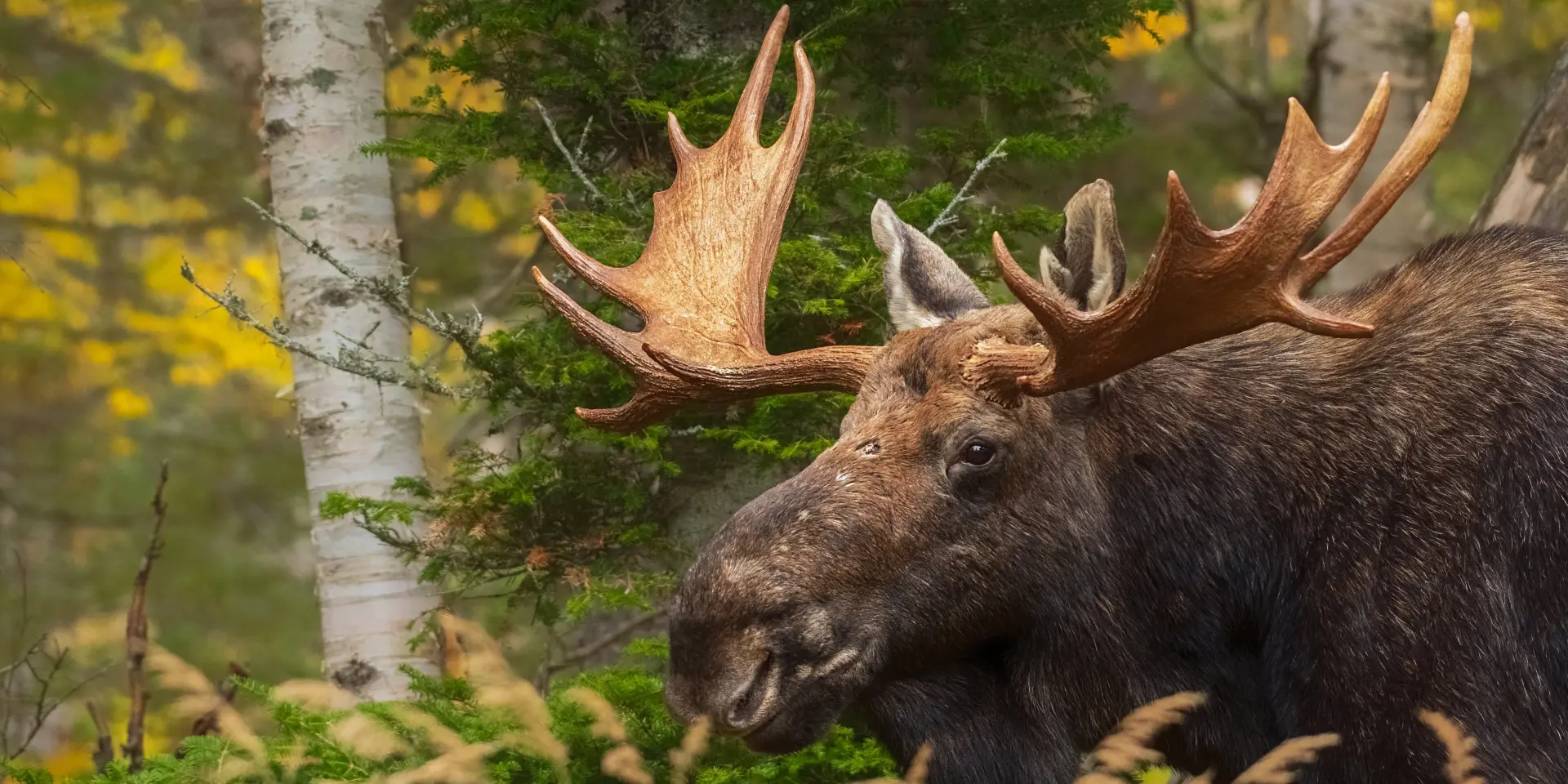
This road trip will take you to observe many of the species found in our regions in their natural habitats: 13 species of whales, a multitude of seabirds (including northern gannets and Atlantic puffins), 4 species of seals, woodland caribou, black bears, moose and many others. Don’t forget your binoculars!

Plan interactif : 15 lieux répertoriés.

  • Lieu sans nom
  • Lieu sans nom
  • Lieu sans nom
  • Lieu sans nom
  • Lieu sans nom
  • Lieu sans nom
  • Lieu sans nom
  • Lieu sans nom
  • Lieu sans nom
  • Lieu sans nom
  • Lieu sans nom
  • Lieu sans nom
  • Lieu sans nom
  • Lieu sans nom
  • Lieu sans nom

Plan interactif : 14 lieux répertoriés.

  • La Pocatière to Rivière-du-Loup
  • Rivière-du-Loup to Rimouski
  • Rimouski to Carleton-sur-Mer
  • Carleton-sur-Mer to Percé
  • Percé to Gaspé
  • Gaspé to Sainte-Anne-des-Monts
  • Sainte-Anne-des-Monts to Matane
  • Matane to Baie-Comeau
  • Baie-Comeau to Sept-Îles
  • Sept-Îles to Havre-Saint-Pierre
  • Havre-Saint-Pierre to Kegaska
  • Kegaska to Rivière-au-Tonnerre
  • Rivière-au-Tonnerre to Pointe-aux-Outardes
  • Pointe-aux-Outardes to Tadoussac

Day 1 La Pocatière to Rivière-du-Loup  70 km (45 mi.)

Your trip begins in the Bas-Saint-Laurent region, which is home to easily accessible tidal flats that serve as feeding grounds for numerous birds. In La Pocatière, you may spot Canada geese and black scoters among other species, while several kilometres further east, in the Le Kamouraska sector, you may see snow geese and various species of ducks.

Side Trip
If you want to explore the Le Témiscouata sector, which is located inland, visit Parc national du Lac-Témiscouata where you can see up to 150 species of birds, including bald eagles, the park’s animal emblem. If you head to Pohénégamook, you are likely to see white-tailed deer instead… and may even spot Ponik, the mysterious monster living in the lake!

Days 2 and 3 Rivière-du-Loup to Rimouski  110 km (70 mi.)

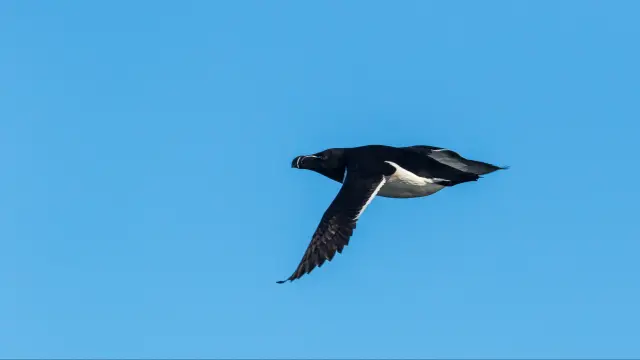
From Rivière-du-Loup, head to Île du Pot à l’Eau-de-Vie (Brandy Pot Island) and Île aux Lièvres (Hare Island), which serve as sanctuaries to a multitude of seabird species, including razorbills, common eiders, black guillemots and common murres. Société Duvetnor, the organization that protects these islands and their bird colonies, offers sea excursions with an interpreter guide. Inquire about the schedule in advance since it changes with the tides. You can also hike to the tip of Île aux Lièvres to admire seals basking in the sun. Keep your eyes peeled: with any luck, you will also spot whales!

If you enjoy watching birds, be sure to stop further east along the coast in the Cacouna and L’Isle-Verte areas. Home to marshes, islands, mountains and forest, Parc côtier Kiskotuk is one of the finest birding sites in Québec and well worth a visit. Cacouna is also a great place to learn about the St. Lawrence belugas and admire these cetaceans in their natural habitat without disturbing them. To do so, stop at the land-based Putep ’t-awt marine mammal observation site.

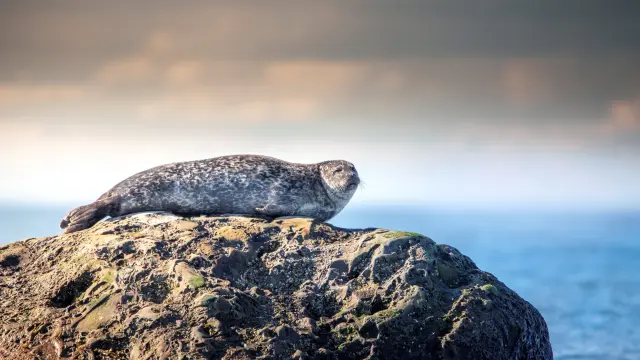
You will then arrive at Parc national du Bic, just west of Rimouski. Harbour and grey seals are some of the park’s main attractions and are easily observable from the shore. Seabirds, birds of prey (in the spring) and white-tailed deer are also likely to cross your path in this park.

Day 4 Rimouski to Carleton-sur-Mer 260 km (160 mi.)

Located off Rimouski, Saint-Barnabé Island offers about 20 km (12 mi.) of hiking trails, which will give you opportunities to see over 70 species of birds as well as harbour seals.

Next, head inland on Route 132 towards the La Matapédia and La Baie-des-Chaleurs sectors in the Gaspésie region. Once you arrive in Matapédia, you can enjoy an unusual activity: snorkelling with Atlantic salmon with Nature Aventure.

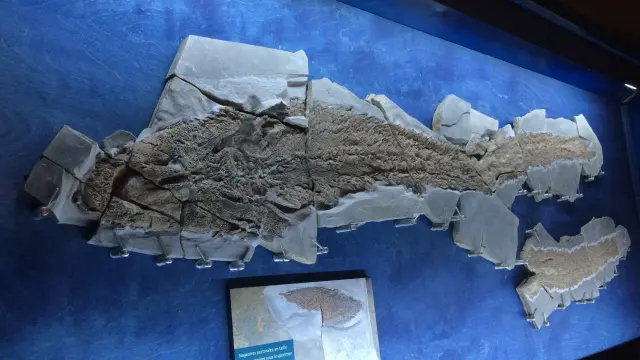
As you keep driving east towards Carleton-sur-Mer, stop at Parc national de Miguasha along the way to learn about various animals that lived 380 million years ago. This park is home to an impressive collection of fish fossils as well as the only complete specimen of Elpistostege watsoni ever found in the world!

Side trip 
From Pointe-à-la-Croix, you can drive to Souris, Prince Edward Island, to take the ferry to the Îles de la Madeleine. Over 300 species of birds have been observed in this region, including the rare and endangered piping plover, making the archipelago a prime bird-watching destination. The Islands are also home to 4 species of seals (grey, harbour, hooded and harp) as well as several small mammals.

Day 5 Carleton-sur-Mer to Percé  215 km (135 mi.)

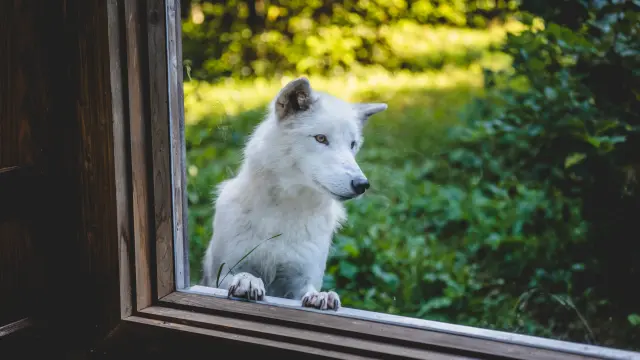
Drive on to Bonaventure, where you can visit the Bioparc de la Gaspésie, which is home to about 40 native animal species, including woodland caribou, moose, white-tailed deer, black bears and various reptiles, amphibians and insects. Want to try something unusual? Spend the night in this wildlife park during the “Overnight with the Wolves” activity.

As you continue heading towards Percé, you will drive by several renowned bird-watching sites, such as the ones found in Paspébiac, Port-Daniel–Gascons and Chandler.

Day 6 Percé to Gaspé  65 km (40 mi.)

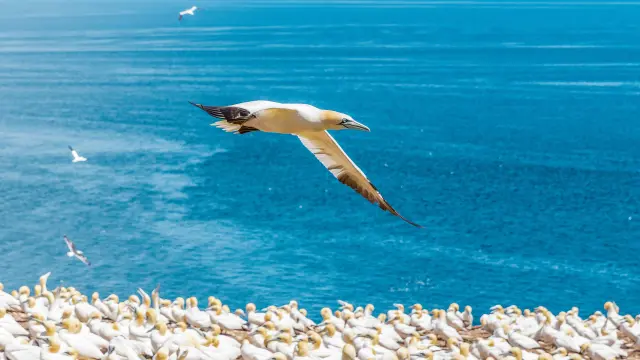
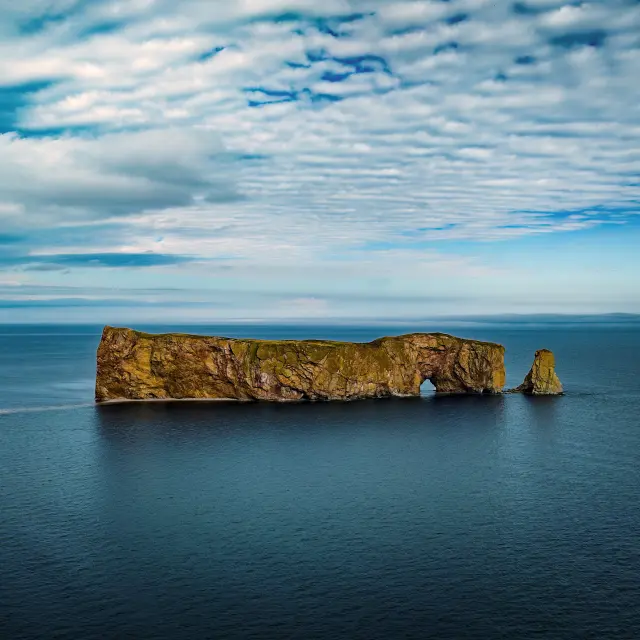
Percé is home to the most accessible northern gannet colony in the world. About 110,000 of these birds nest on Bonaventure Island in Parc national de l’Île-Bonaventure-et-du-Rocher-Percé, along with several other species of nesting birds. Excursion companies such as Les Bateliers de Percé offer boat trips to the island as well as whale-watching excursions. As you hike towards the colony, see if you can spot seals basking in the sun in the coves at the foot of the cliffs!

On the way to Gaspé, stop at the Malbaie Barachois, where you can observe over 200 species of birds, including great blue herons, American bitterns and Canada geese.

Day 7 Gaspé to Sainte-Anne-des-Monts  200 km (125 mi.)

In Gaspé, Forillon National Park offers you the opportunity to immerse yourself in nature on a territory that is home to diverse and abundant wildlife. During a hike, you may encounter moose, black bears, beavers or porcupines. If you look up, you are likely to see razorbills, gulls, other seabirds and forest birds. Inquire about the guided wildlife activities offered in this park.

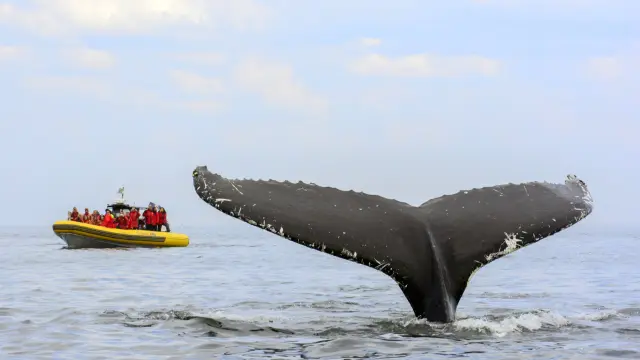
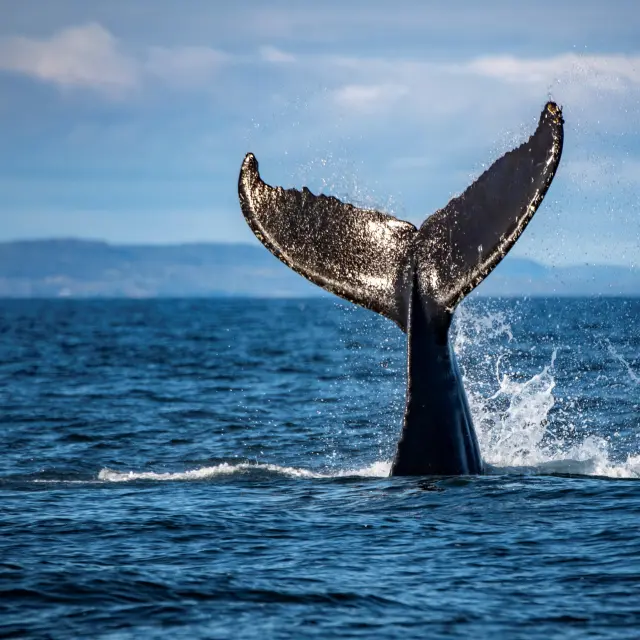
This area is also a popular place to go whale watching in Gaspésie! Offering excursions departing from the Grande-Grave wharf and the Gaspé marina, Croisières Baie de Gaspé will take you to discover the marine mammals living in the Gulf of St. Lawrence, including impressive blue whales and spectacular humpbacks. Looking for a unique experience? Why not go on a sea kayaking excursion with Cap Aventure among the seals!

Past Gaspé, your drive through the La Haute-Gaspésie sector will be dotted with roadside rest areas that are perfect places to stop and observe birds.

Day 8 Sainte-Anne-des-Monts to Matane  90 km (55 mi.)

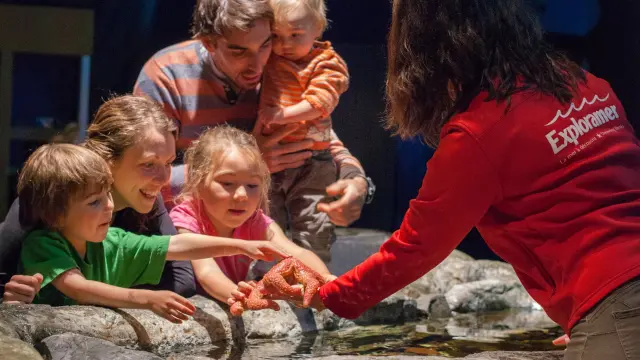
To find out more about the marine species in the St. Lawrence, stop to visit the Exploramer science museum in Sainte-Anne-des-Monts. Touch crabs, sea urchins and sea cucumbers in the touch pools; participate in a fish-harvesting activity along the shore; or help haul in crab and whelk traps during a sea excursion. You also won’t want to miss the museum’s fascinating exhibitions!

Side trip 
From Sainte-Anne-des-Monts, head inland to Parc national de la Gaspésie, where a hike could lead to amazing encounters with members of the deer family: white-tailed deer, moose or woodland caribou. In fact, the park is home to the only herd of caribou found south of the St. Lawrence, a population that is endangered (As a result, when and where you can observe these animals is restricted.). Several wildlife activities led by naturalist guides are also offered in this park, so be sure to inquire about them!

Day 9 Matane to Baie-Comeau  2 h 20 by ferry

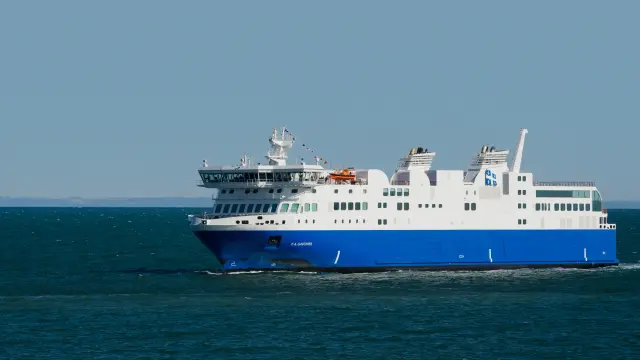
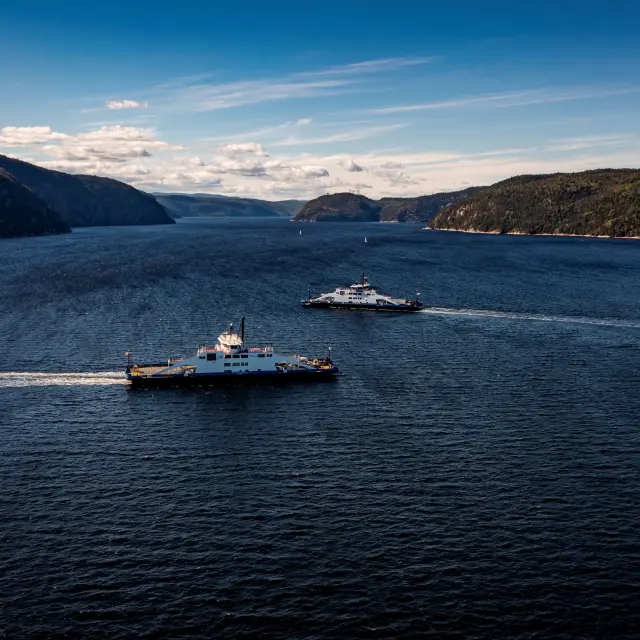
Next, take the ferry from Matane to Baie-Comeau (or Godbout) in the Côte-Nord region. Keep your eyes peeled during the crossing as you are likely to spot marine mammals!

Day 10 Baie-Comeau to Sept-Îles 230 km (145 mi.)

This part of Côte-Nord is a dream come true for bird lovers, who can observe seabirds in Godbout Bay, watch diving osprey at Pointe-des-Monts and admire birds of prey in the Port-Cartier area, to name only a few possibilities.

Day 11 Sept-Îles to Havre-Saint-Pierre 220 km (135 mi.)

In Sept-Îles, go on a sea excursion to the Sept Îles Archipelago, which will take you to the bird sanctuary on Corossol Island. Although the boat must stay beyond a 500-metre (1640-foot) radius of the island, you will see many birds wheeling overhead, including razorbills, black guillemots and common murres. As a bonus, you will probably also spot a few whales!

Once back on land, be sure to go for a walk in Parc Aylmer-Whittom, which is aptly nicknamed Squirrel Park!

Day 12 Havre-Saint-Pierre to Kegaska 250 km (155 mi.)

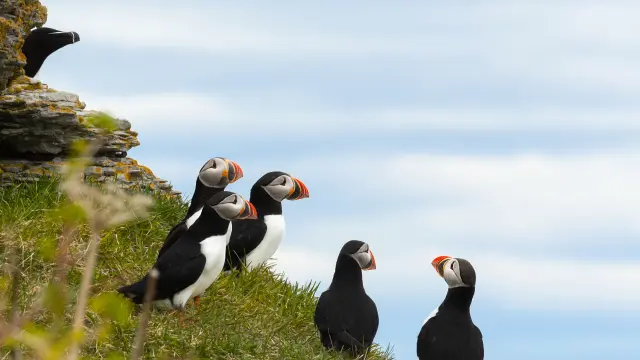
Off Havre-Saint-Pierre, you will see a mysterious and impressive sight: the islands and islets in the Mingan Archipelago National Park Reserve. Home to limestone monoliths sculpted by the sea, this archipelago is also one of the best places in Québec to see Atlantic puffins, which are also known as “sea parrots” and “clowns of the sea.” Some of the largest concentrations of terns and common eiders in the Gulf of St. Lawrence are found in this park reserve as are many marine mammals. Go on a hike or sea excursion to admire these wildlife species!

Side trips 
A stay in Parc national d’Anticosti on Anticosti Island, in the middle of the Gulf of St. Lawrence, is an opportunity to encounter white-tailed deer: about 115,000 of them roam freely on the island. In addition, the largest concentration of bald eagles in the province of Québec is found here.

From Natashquan, you can board the MV Bella Desgagnés supply ship to visit the Lower North Shore. As you travel from village to village all the way to Blanc-Sablon, you will have many opportunities to spot the seals, whales and birds that frequent the waters of the Gulf of St. Lawrence.

Day 13 Kegaska to Rivière-au-Tonnerre 300 km (190 mi.)

Heading back west on the same road, be sure to stop a few times to stretch your legs. In this area, you will find several popular bird-watching sites, including the marsh in Baie-Johan-Beetz where you may spot American bitterns, green-winged teals and up to 40 species of passerines.

Day 14 Rivière-au-Tonnerre to Pointe-aux-Outardes  360 km (225 mi.)

Before you continue your journey, take a moment to scan the horizon: you might spot marine mammals directly from the shore in Rivière-au-Tonnerre. You can also stop in other places along Route 138 to do the same, including in the areas around Godbout and Franquelin.

Days 15 and 16 Pointe-aux-Outardes to Tadoussac 190 km (120 mi.)

Parc Nature de Pointe-aux-Outardes is one of the five best bird-watching sites in Québec. Up to 255 species of birds can be sighted in the nature park’s nine ecosystems as well as in the bird garden where you will also find a butterfly aviary and an insect hotel. Want to sleep like a bird? This is your chance to enjoy a truly unique glamping experience in one of the nature park’s giant birdhouses!

As you continue driving west, you will have other opportunities to see birds, namely at the salt marsh in Longue-Rive, which is the second largest in the province. Take advantage of the raised decks to observe various species, including several that are endangered.

In Les Escoumins, the Marine Environment Discovery Centre, which borders the Saguenay–St. Lawrence Marine Park, is a popular place to observe whales from the shore. The centre’s exhibition also serves as a perfect complement to a whale-watching experience. Don’t miss the screening of Deep-Sea Reveries, a film by cinematographer and cold-water diving expert Mario Cyr that offers an immersive journey into the colourful depths of the St. Lawrence, which teems with fascinating fish and invertebrates.

Learn more about the whales at the Cap-de-Bon-Désir Interpretation and Observation Site, located a few kilometres away, in Les Bergeronnes. Guides on site will be happy to tell you more about the species that can be observed from the rocks.

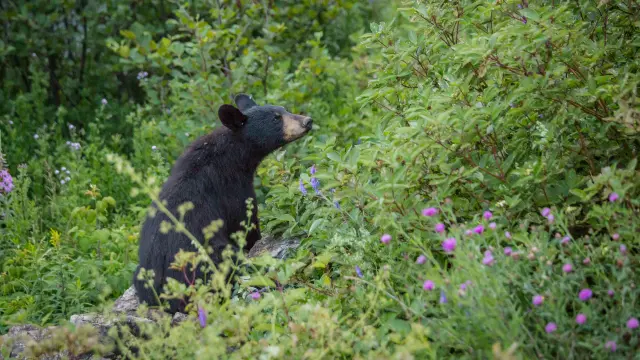
Are you interested in going out to sea to observe marine mammals? Opt for a Zodiac excursion with Du Fleuve (in Les Escoumins) or Essipit Cruises (in Les Bergeronnes). Essipit also offers the opportunity to observe black bears in a natural setting in complete safety.

Days 17 Tadoussac

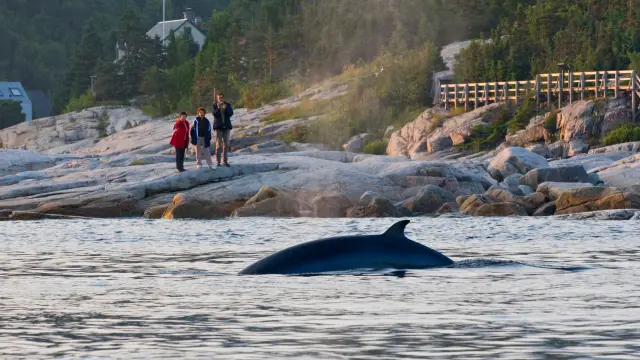
One of the best places in the world to observe whales, Tadoussac is the last stop on your road trip. Board a sightseeing boat or Zodiac with Croisières AML to discover the Saguenay–St. Lawrence Marine Park. Minke whales, humpbacks, fin whales and other species of cetaceans await you here!

If you would rather stay on dry land, head to Pointe de l’Islet, an excellent land-based observation site. To find out more about the giants of the sea (and even learn how to sing like them!), visit the Marine Mammal Interpretation Centre (CIMM), which houses the largest collection of whale skeletons in Canada! To learn more about belugas in particular, an endangered species living in the St. Lawrence, hike to the Halte du Béluga lookout in Parc national du Fjord-du-Saguenay.

Tadoussac is also a renowned bird-watching destination. The Tadoussac dunes are a rare staging area for the migratory boreal owl, a small, relatively unknown bird of prey. You can even participate in owl-banding activities!

Side trip 
From Tadoussac, take Route 172 to Sacré-Coeur, where you can visit the Ferme 5 Étoiles holiday resort. Spend the night at the farm, which is also a refuge for wild animals (including moose, wolves and bison), and help care for the animals. You can also observe black bears with a guide.