The Québec maritime Blog
-
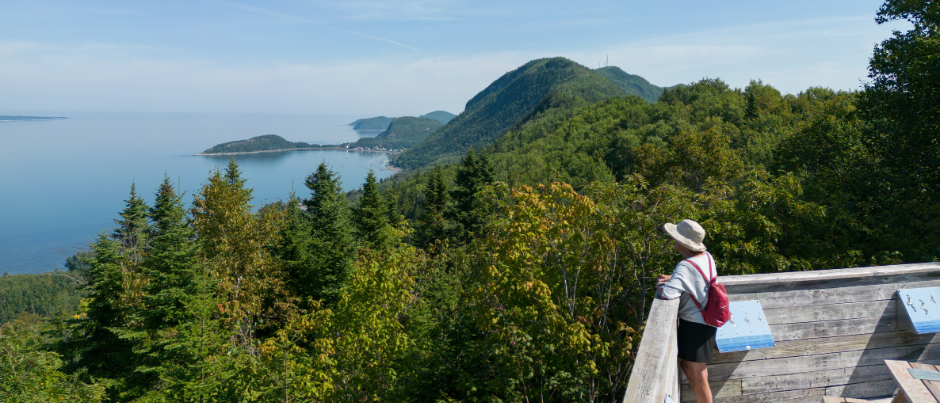
Parc national du Bic, Bas-Saint-Laurent
Patric Nadeau/Tourisme Bas-Saint-Laurent
National Parks in Bas-Saint-Laurent
National parks are popular destinations to discover during a vacation in Eastern Québec. Bas-Saint-Laurent boasts three of these protected natural areas, all of which showcase the region’s diverse landscapes: the sea, the coast, forests, lakes and mountains. Read on for a glimpse of the types of adventures you can enjoy in the national parks of Bas-Saint-Laurent!
Parc national du Bic
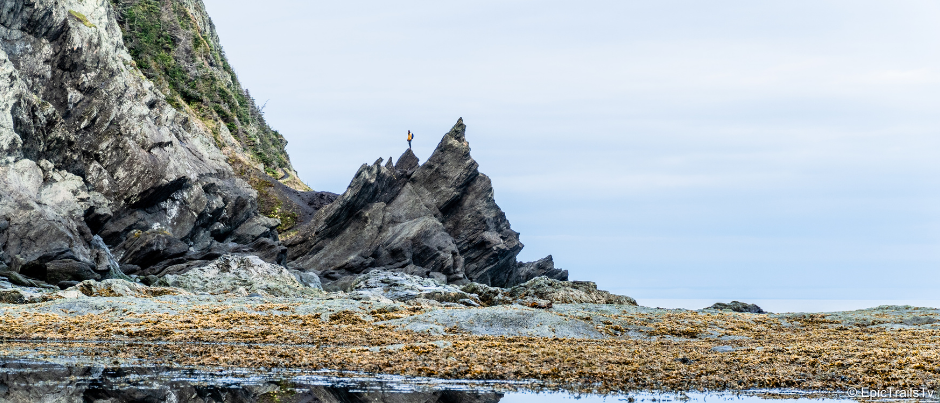
A small park at only 33.2 km² (13 sq. feet) but full of beauty, Parc national du Bic is an enchanting wonder of nature where land meets sea.
- How to get there: The various sectors of the park are accessible via two entrances on Route 132 located about 20 km (12 mi.) west of downtown Rimouski: Rivière-du-Sud-Ouest (open year-round) and Cap-à-l’Orignal (closed in the winter).
- When it’s open: The park is open year-round, but services vary depending on the time of year.
- Distinctive features: Admire the unique shape of the park’s coastline, from capes and coves to islands and mountains. And don’t miss this opportunity to soak up one of the most beautiful sunsets in the world!
- What to do in the park: This park offers hiking trails for every taste and skill level, whether you’d rather go for a leisurely stroll to Cap à l’Orignal via Chemin-du-Nord, climb to the top of Pic Champlain or pick your way along the coastal cliffs to admire the park’s coves. You’ll also find several bike trails in the park and can explore this exceptional area in a sea kayak, either on your own or with a guide. In the winter, the park offers a variety of outdoor activities such as cross-country skiing, snowshoeing and Nordic skiing.
- Signature wildlife species: Since this is a coastal park, it’s a great place to observe harbour and grey seals basking on the rocks. In the spring, many migratory birds of prey can also be sighted in the park, including golden eagles and peregrine falcons.
- Lodging options: The park offers four campgrounds with over 200 campsites as well as glamping units, yurts and EXP and Écho cabins.
Parc national du Lac-Témiscouata
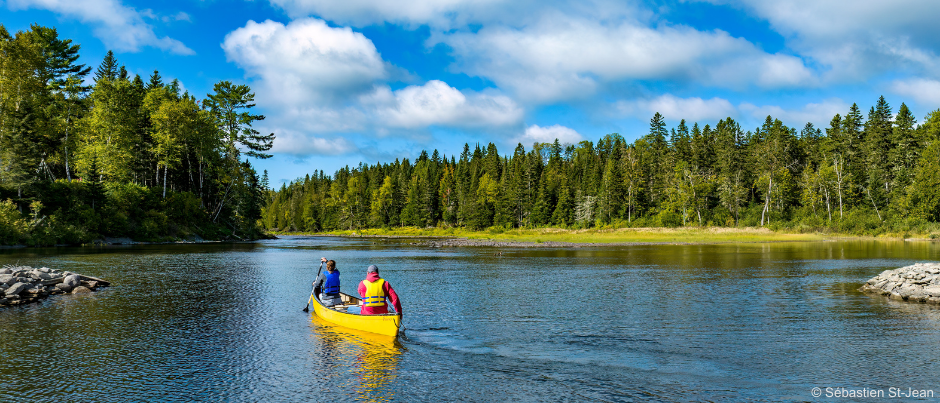
Located at the heart of the Notre-Dame Mountains, Parc national du Lac-Témiscouata stretches along Lake Témiscouata, the largest lake in the region. Dotted with forests, lakes and rivers, this park protects a representative sample of the picturesque landscapes found in the interior of this region.
- How to get there: The park has three distinct sectors, accessible via Saint-Michel-du-Squatec, Saint-Juste and Dégelis. In the summer, you can access the Saint-Michel-du-Squatec sector from Cabano by taking the L’Épinoche water shuttle.
- When it’s open: The park is open year-round, but services may vary depending on the season.
- Distinctive features: You’ll want to spend some time contemplating Lake Témiscouata, which is nearly 40 km (25 mi.) long, as well as the numerous bodies of water that flow through the Notre-Dame Mountains.
- What to do in the park: A window on 10,000 years of human history, the park offers fascinating interpretive activities as well as a wide variety of water sports, including canoeing, kayaking and stand-up paddleboarding. In the summer, you can set off on an unforgettable adventure in the footsteps of the Wolastoqiyik people by paddling the Touladi lakes in a rabaska canoe accompanied by a naturalist guide. In addition to the National Hiking Trail, which runs through the park, hikers can explore nearly 40 km (25 mi.) of varied hiking trails. Cyclists have lots of options as well since the park offers nearly 14 km (9 mi.) of bike paths and 26 km (16 mi.) of paved roads as well as access to the Petit-Témis bike trail. In the winter, you’ll want to explore the park’s snowy landscapes on snowshoes or Nordic skis.
- Signature wildlife species: The bald eagle, which is the park’s animal emblem, is one of 150 species of birds that can be observed in this park. Beavers, moose and white-tailed deer also frequent this territory.
- Lodging options: The park offers two campgrounds with nearly 140 sites as well as glamping tents, huts and a rustic cabin.
Saguenay–St. Lawrence Marine Park
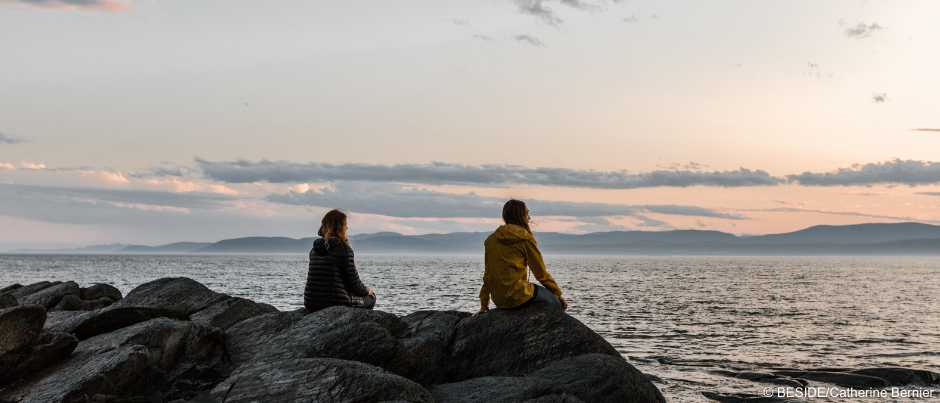
The only national park to protect an exclusively marine environment in Québec, the Saguenay–St. Lawrence Marine Park is an exceptional place to visit. Extending from the north shore of the St. Lawrence, it encompasses Île aux Lièvres (Hare Island) and Île du Pot à l’Eau-de-Vie (Brandy Pot Island), both of which are near the south shore of the estuary. To experience the marine park in Bas-Saint-Laurent, there’s nothing like visiting one of these islands or stopping at the Putep ’t-awt observation site in Cacouna.
- How to get there: The islands can be reached by boarding the Société Duvetnor boat departing from Rivière-du-Loup. In Cacouna, Route 132 and Rue de l’Île provide access to a 2-km (1.2-mi.) trail that will lead you to the Putep ’t-awt observatory. You can also take a shuttle up the mountain.
- When they’re open: The boat to the islands operates from June to September while the observation site in Cacouna is open from late June to early September.
- Distinctive features: Admire the unique ecosystem of the St. Lawrence Estuary as you discover rich marine life and charming islands.
- What to do in the park: An excursion to the islands is an opportunity to discover their heritage and secrets. Feel free to ask the captain any questions you may have! In Cacouna, the marine mammal observatory offers a breathtaking view of the estuary.
- Signature wildlife species: Many marine mammals and seabirds frequent the St. Lawrence in this area, mainly because it’s an abundant source of food. During the summer, the observatory offers an immersive activity led by interpretive guides to introduce you to beluga whales. The islands are also a prime location for observing seabirds such as common eiders and razorbills, especially in the early summer.
- Lodging options: If you’d like to spend the night on one of the islands, Société Duvetnor offers several options: cottages, wilderness campsites, an inn and even a lighthouse!
Bas-Saint-Laurent is a harmonious blend of sea and inland forests, a diversity of landscapes that you’ll find reflected in the region’s three national parks. To plan your trip to these sites, visit our National Parks page. You can also read our blog posts about national parks in Gaspésie and Côte-Nord if you plan to explore other maritime regions of Québec. Enjoy your discoveries!
If you liked this article, you might also like...
Author Valère Brable

Having grown up in the Vosges Mountains in France and the jungles of French Guiana, Valère Brable eventually settled near the sea in Matane, in Gaspésie, in 2018. With a degree in tourism and a love of the great outdoors, he likes to take advantage of his free time to hit the road and explore the regions of Québec.
(0) comment